
Driving Requirements in Canada
Driver’s license: To drive legally, you need a driver’s license issued by your province or territory government. It lets you drive your vehicle anywhere in Canada.
The legal driving age in Canada varies by province/territory. Generally, you must be 17 years old to drive independently after obtaining a valid driver’s license (16 in Ontario).
You can drive in Canada with your valid home-country license shortly after you arrive. For example, Ontario lets you drive for three months with your home country’s license. Always check with the government of your province or territory for details.
You should get an International Driving License in your home country. Then, translate it into French and English.
Learners must have a supervisor who is at least 25 years old. They can carry only one person, but passengers must be immediate family members.
Auto Insurance: Auto insurance is necessary before driving a vehicle in Canada. If you regularly drive a car owned by a relative or friend, add yourself to their car insurance policy.
Rules on the Road You Need To Be Aware Of
- Always yield to pedestrians at crossings.
- Also, in most provinces and territories, mobile phones are prohibited while driving.
- Drivers must always carry a valid driver’s license, vehicle registration, and proof of insurance while driving.
- Motorcyclists must wear helmets.
- Always use indicator lights when turning.
- At a red stop sign, you must come to a complete stop at the white stop line.
- The stop signs control a junction without traffic lights, and the rule is to yield and then proceed. Two vehicles stop simultaneously at a junction. The vehicle on the left must yield, and the driver on the right has the right-of-way.
- Don’t drink (alcohol) and drive (allowable prescribed limit of 0.08 mg per 100 ml of blood). Drinking and driving have heavy penalties. This includes DWI (Driving While Impaired), a criminal offence. It can result in a suspension of driving privileges, vehicle impoundment, or arrest.
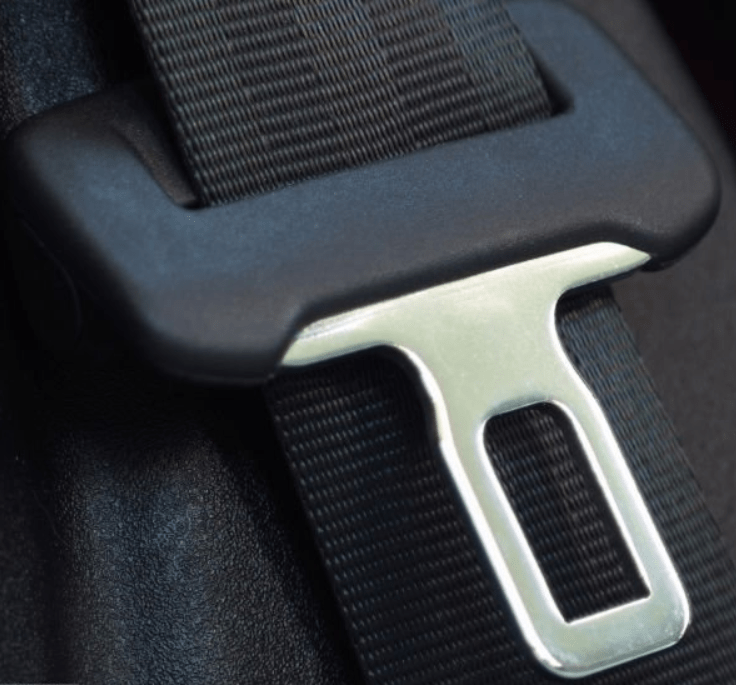
Seat BELT
In Canada, seat belts are compulsory for all vehicle occupants. It is the driver’s responsibility to ensure all passengers wear their seat belts.
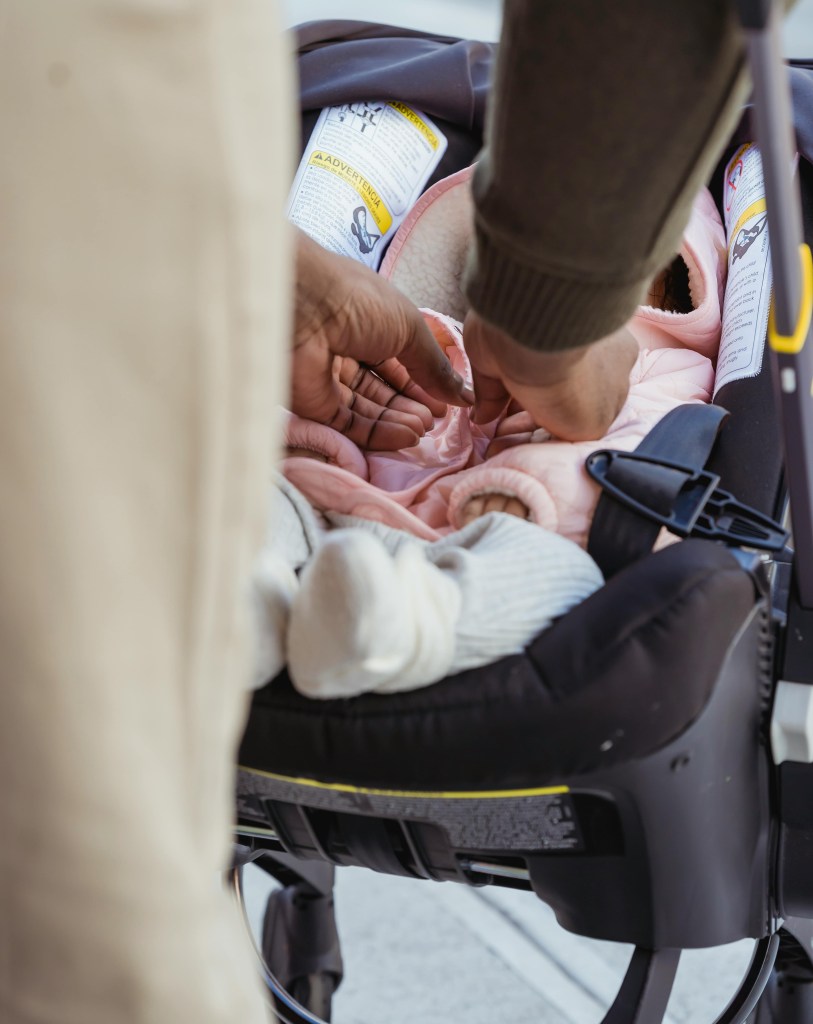
Seat Belt for Children;
- Child Safety Seat – Children weighing 9 kg or less.
- Forward-Facing Child Seat – Children weighing 9-18 kg
- Booster Seat – Children weighing 18-36 kg and with a height of up to 145 cm
Speed LIMIT
In Canada, the speed limit is posted in Kilometers.
The USA’s speed limit is posted in miles instead of Kilometers.
- 30-50 KpH (18-31 MpH) in a city, town or village
- 60-80 KpH (37-50 MpH) on two-lane highways
- 100 MpH (62 MpH) on most highways.
Vehicles drive on the right-hand side of the road, and faster traffic uses the left-hand side to pass slower vehicles. Driving in the left-hand lane is illegal throughout Quebec except when passing another vehicle.
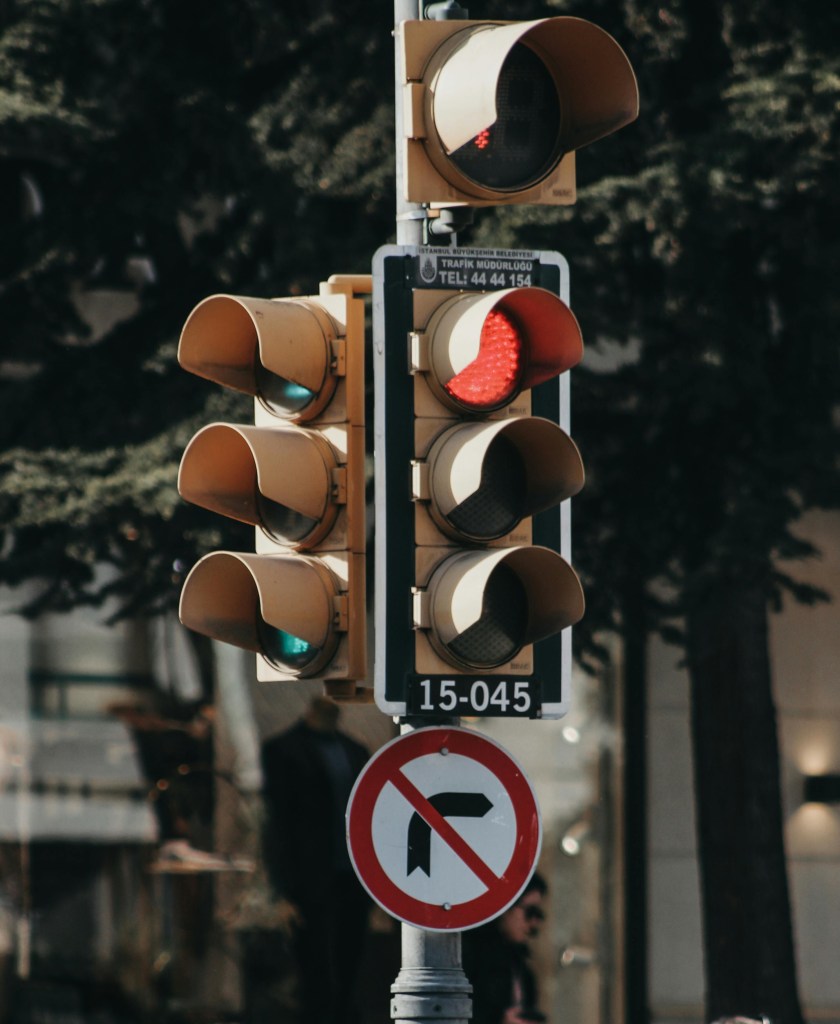
Right TURNS on a Red light
You must stop at a red light and wait until the way is clear. Most provinces allow a right turn unless a sign says no right turn. Montreal doesn’t allow a right turn on a red light (the rest of Quebec does).

U-TURNS
Don’t take a U-turn;
- at a place where a traffic control device prohibits turning a U-turn.
- if interfering with other traffic
- within 30 meters of a highway-railway grade crossing
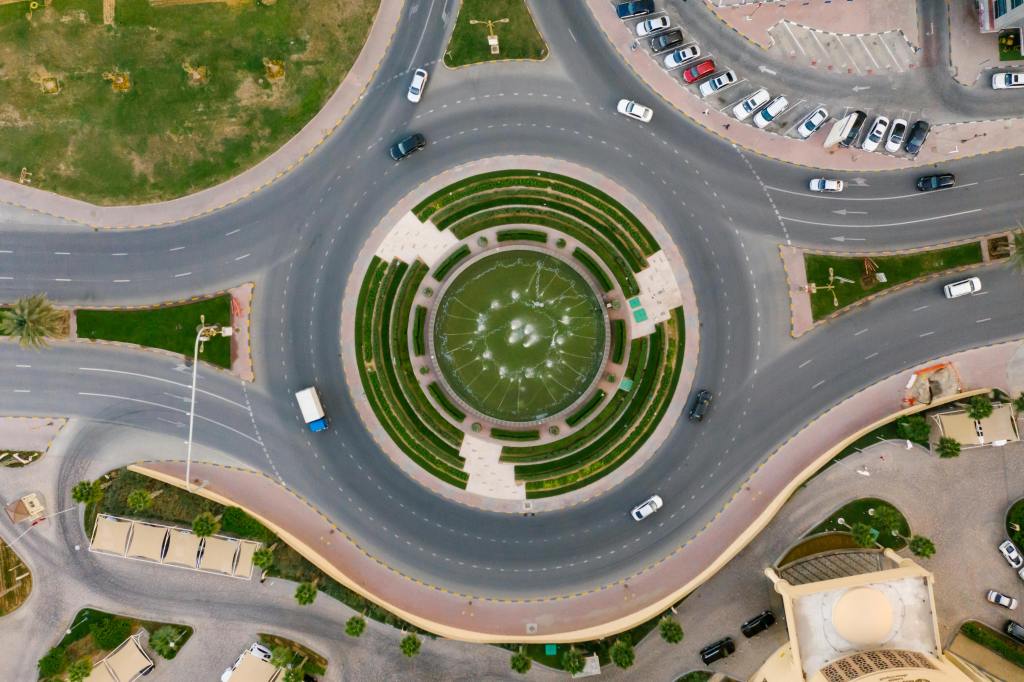
RoundAbouts
Drivers must be vigilant while approaching a roundabout. They need to be aware of pedestrians at the crosswalk. They should watch for emergency vehicles approaching the roundabout. Drivers must yield to vehicles approaching from their immediate left before entering the roundabout.
Road SIGNS
Road signs will be in English, French, or both. In some instances, signs may only be in French (Quebec).
Smoking
Smoking in your vehicle is banned in many provinces when a minor is a passenger.
Carpool/HOV (High Occupancy Vehicle) Lanes
Some provinces have introduced HOV lanes marked with diamonds. These lanes are restricted to vehicles with at least two people.
Slow Down For Official Vehicles
If an official vehicle displays red, blue, white, or amber flashing lights, vehicles on the highway must stop. This applies in either direction.
- 60 KpH if the rate of speed is 80 KpH or more;
- 40 KpH, if the rate of speed is less than 80 KpH,
- Slow down further if the speed is less than 40 KpH.
Winter TIRE laws in Canada
Under the Highway Safety Code, Alpine Symbol (three-peak mountain and snowflake symbol) and studded tires are considered winter tires. Provinces and territories are responsible for deciding whether to require the use of winter tires. Quebec is the only jurisdiction in Canada where winter tires are mandatory province-wide during the winter driving season.
Quebec
Winter tires are mandatory from 1 December to 15 March. This applies to all passenger vehicles registered in Quebec, including taxis, rental vehicles, mopeds, motorized scooters, and motorcycles.
Studs and Chains are authorized between 15 October and 1 May.
British Columbia
Winter tires are mandatory on some highways from 1 October to 30 April.
Studded tires can be used only between 1 October and 30 April.
Other provinces
- Winter tires are not mandatory but are highly recommended. Insurance companies now offer discounts for those who have them on their cars during the winter months.
- Alberta, Northwest Territories, Nunavut, Saskatchewan and the Yukon
- These provinces have no time frame restrictions on studded tires.
- New Brunswick: Studded tires can be used only between 15 October and 1 May.
- Newfoundland: Studded tires can be used only between 1 November and 31 May.
- Manitoba: Studded tires can be used only between 1 October and 30 April.
- Nova Scotia: Studded tires may be used from 15 October to 30 April.
- Ontario: Studded tires are permitted to Northern Ontario residents between 1 October and 30 April. However, they are illegal for residents of Southern Ontario.
- Prince Edward Island: Studded tires can be used only between 1 October and 31 May
 suchnapat