Share this article
Vastu
Vastu is an ancient Indian system of architecture and design. It focuses on creating harmony and balance between the built environment and the natural world. The word comes from the Sanskrit word “vāstu,” which means “dwelling” or “abode.”
Placing buildings, rooms, and objects is crucial in Vastu principles. It is believed to influence the flow of energy (prana), which in turn can affect the well-being of the occupants. By adhering to Vastu guidelines, one can create a harmonious and prosperous living or working space.
Vastu is a complex system, and individual circumstances vary. For personalized guidance, it is always recommended to consult with a qualified Vastu expert.
Fundamental principles of Vastu include:
- Alignment with Natural Elements: Vastu emphasizes aligning structures with the cardinal directions. These include east, west, north, and south. It also prioritizes alignment with celestial bodies like the Sun and Moon.
- Balance of Energies: It seeks to balance the five elements (earth, water, fire, air, and space) within the built environment.
- Positive Energy Flow: Vastu emphasizes the importance of positive energy flow (prana) throughout a space.
- Harmony with Nature: It promotes a connection between the built environment and the natural world.
Common Vastu Practices:
While Vastu is deeply rooted in Indian culture and tradition, it has recently gained popularity worldwide. Many believe that incorporating Vastu principles into their living spaces can create a more harmonious and positive environment.
Residential Vastu focuses on creating a home in harmony with the natural world and promoting positive energy flow. According to Vastu principles, you can design or modify your living space to enhance your well-being and prosperity.
Orientation and Direction:
Facing: The main entrance (facing) of a building is crucial. East and North are generally considered auspicious, while South and West are less preferred.
Slope: A gentle slope towards the east or north is ideal. Avoid homes on steep slopes or on the west or south sides, surrounded by water bodies.
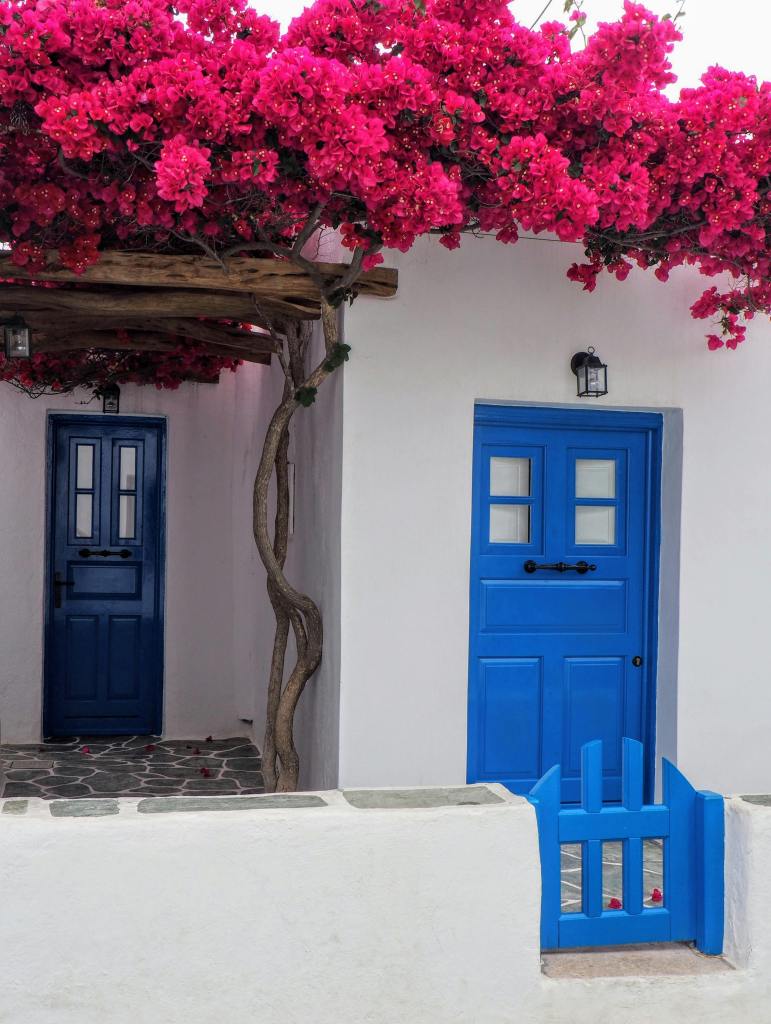
The Main Entrance … read more
The main entrance, or pravesh dwaar, is considered one of the most critical elements in Vastu. It is believed to be the gateway through which positive and negative energies enter a home.
Ideal Placement:
- East: The most auspicious direction. It is linked to new beginnings, growth, and prosperity.
- North: Also considered favourable, as it is linked to knowledge, wisdom, and success.
- West: This can sometimes be considered auspicious, but it’s generally less preferred than east or north.
- South: Generally avoided, as it is linked to negativity and obstacles.
Additional Considerations:
- Facing: The main entrance should ideally face one of the cardinal directions (east, west, north, or south). Avoid facing the diagonal corners (northeast, southeast, southwest, or northwest).
- Shape: The main entrance typically takes a square or rectangular form.
- Obstacles: Ensure there are no obstacles, such as trees, poles, or buildings, directly in front of the main entrance.
- Energy Flow: The main entrance should facilitate a smooth, positive flow of energy into the home.
Room Placement:

Bedroom Placement … read more
Placing your bedroom in a Vastu-compliant home is crucial for ensuring a restful and harmonious sleep. Here are some essential guidelines:
Ideal Locations:
- Southwest: This is considered the most auspicious direction for a bedroom. It promotes stability, security, and restful sleep.
- West: A bedroom in the west can also be beneficial, primarily if it’s located towards the southwest corner. It can foster creativity and relaxation.
Less Ideal Locations:
- Northeast: While this direction is generally considered auspicious for the main entrance, it’s not ideal for a bedroom. It can lead to restlessness and disturbed sleep.
- Southeast: This direction is linked to energy and activity. While suitable for some rooms, it’s not ideal for a bedroom, as it can disrupt sleep.
Additional Tips:
- Minimize Electronic Devices: Keep electronic devices away from your bed to avoid sleep interference.
- Avoid Bedrooms Near Bathrooms: The energy linked to bathrooms can disrupt sleep.
- Consider the Bed’s Position: Ideally, the head of the bed should face south or west.
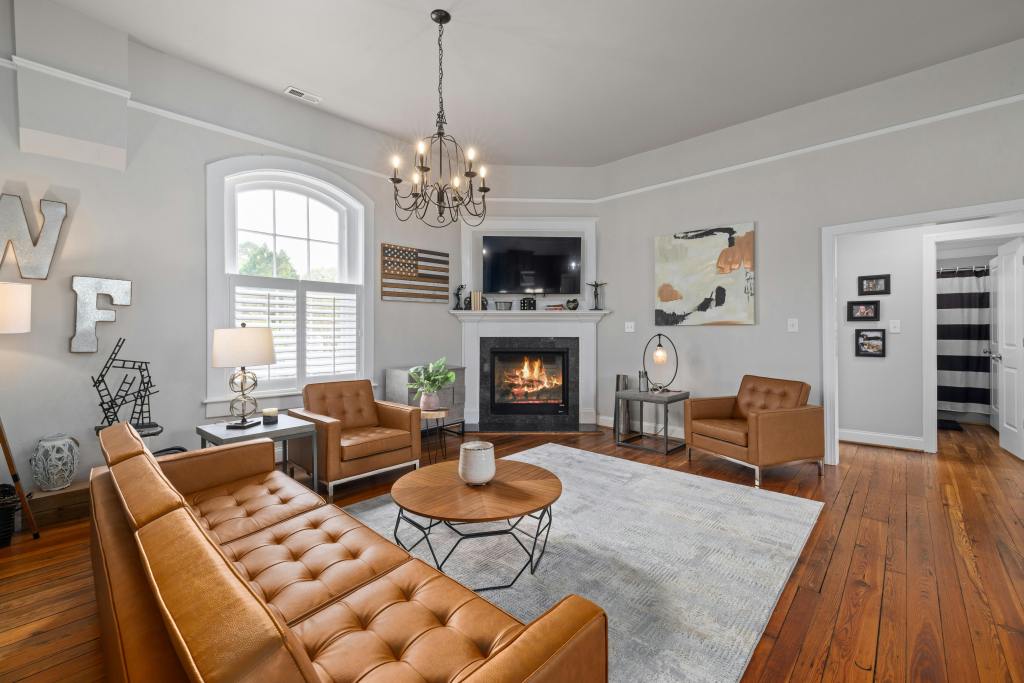
Living Room Placement … read more
The living room is often considered the heart of a home. It should be placed in a location that promotes positive energy. It should also enhance social interaction. Here are some key guidelines:
Ideal Locations:
- North: Linked with growth, knowledge, and new beginnings.
- East: Stands for new beginnings, energy, and vitality.
Less Ideal Locations:
- Southwest: Typically linked to stability and grounding, but not ideal for the living room.
- South: This can be considered less auspicious for the living room.
Additional Tips:
- Maintain a Clutter-Free Environment: A clean, organized living room promotes positive energy flow.
- Avoid Placing the Living Room Under a Staircase: This can create a sense of constriction and negative energy.
- Ensure Adequate Natural Light: The living room should get ample natural light.
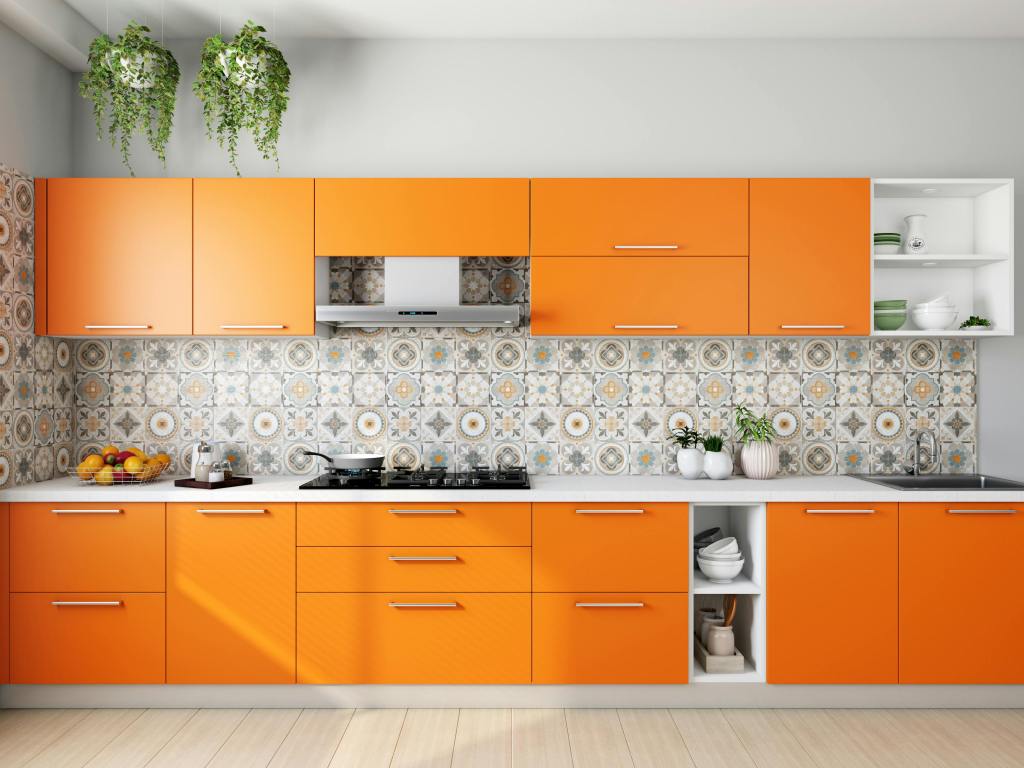
Kitchen Placement … read more
The placement of your kitchen in a Vastu-compliant home is vital for promoting prosperity, abundance, and overall well-being. Here are some fundamental guidelines:
Ideal Location:
The southeast corner is related to fire and is the most auspicious location for a kitchen. Fire is believed to be the element of energy. It is linked to transformation. Placing the kitchen in this direction can promote prosperity and abundance.
Avoid Northeast:
The northeast is generally linked to water. It is considered less ideal for the kitchen. This is due to potential conflicts between fire and water elements.
Other Considerations:
- Avoid placing the kitchen under a staircase.
- Avoid placing the kitchen directly opposite the main entrance.
- Ensure the kitchen is well-ventilated and receives natural light.
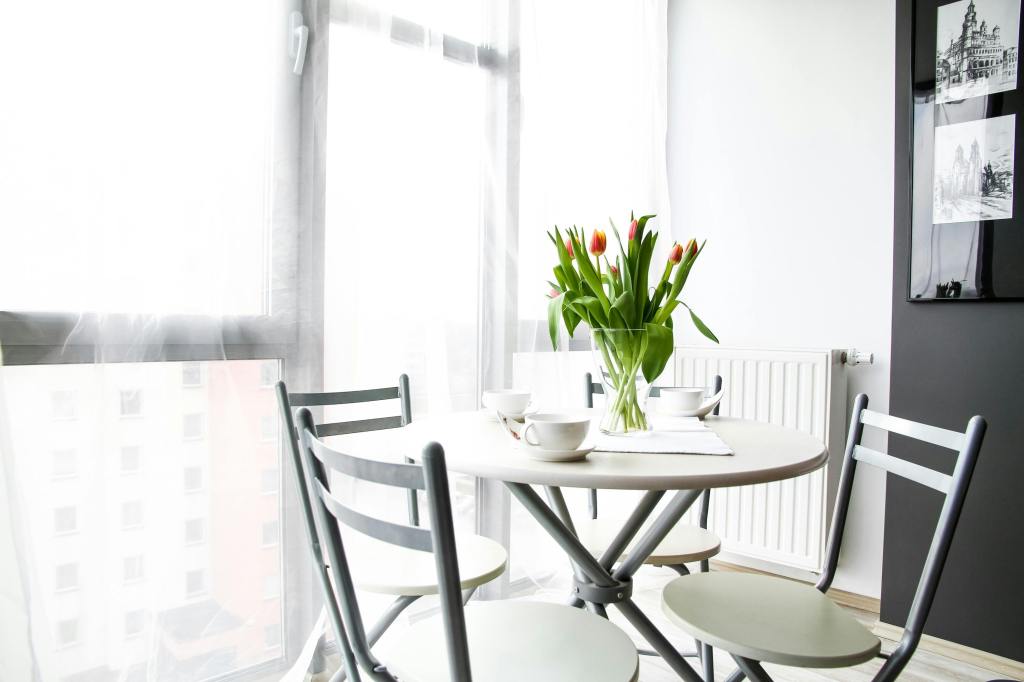
Dining Room Placement … read more
The dining room, where family and friends gather for meals and socializing, plays an essential role in Vastu. Placing the dining room in these areas can promote harmony and abundance within the family. Here are some guidelines for its placement:
Ideal Locations:
- Southwest: This can also be considered auspicious for the dining room.
- Northwest: Related to stability, security, and nourishment.
- Avoid Northeast: The northeast is generally linked to water and is not ideal for the dining room.
Additional Tips:
- Maintain a Clutter-Free Environment: A clean, organized dining room promotes positive energy flow.
- Avoid Placing the Dining Room Under a Staircase: This can create a sense of constriction and negative energy.
- Ensure Adequate Natural Light: The dining room should get ample natural light.
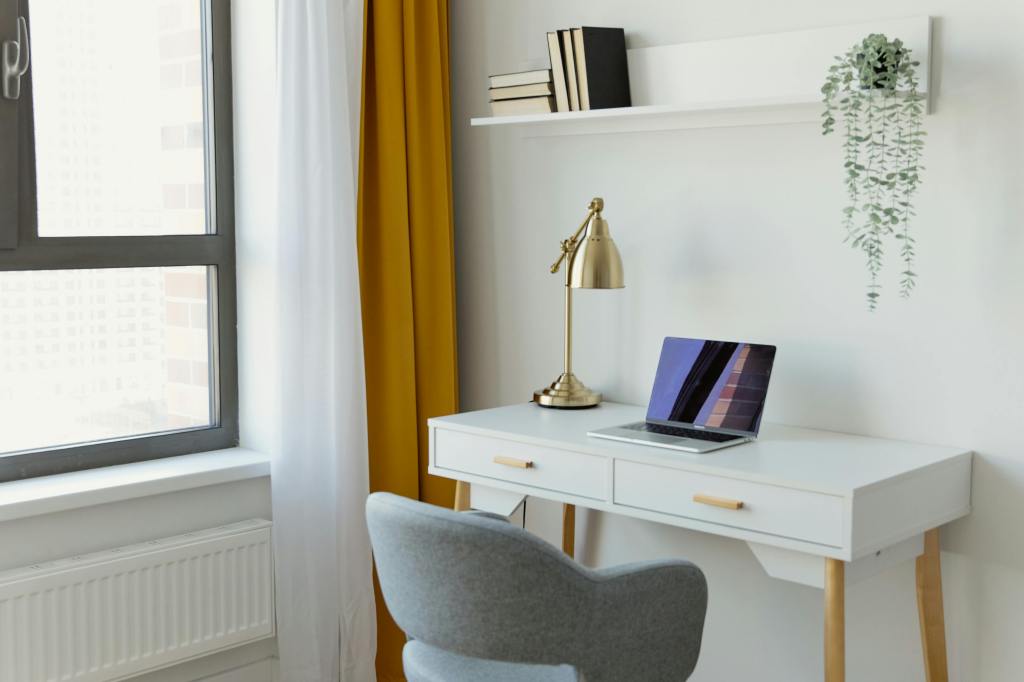
Study Room Placement … read more
The study room is an essential space for intellectual pursuits and learning. Placing the study room in these areas can enhance concentration and learning. Here are some Vastu guidelines for its placement:
Ideal Locations:
- West: Linked with intellect, wisdom, and creativity.
- Northwest: This can also be considered auspicious for the study room.
Avoid Southeast:
- The southeast is linked to energy and activity, which is not conducive to a calm and focused study environment.
Additional Tips:
- Maintain a Clutter-Free Environment: A clean and organized study room promotes concentration and focus.
- Avoid Placing the Study Room Under a Staircase: This can create a sense of constriction and negative energy.
- Ensure Adequate Natural Light: The study room should get ample natural light.
Vastu and Colors
Colours play a significant role in Vastu. They are believed to have specific energies. These energies can influence the atmosphere of a space. Here’s a brief overview of the significance of different colors in Vastu:
Auspicious Colors:
- White symbolizes purity, peace, and clarity. It’s often used in living rooms, bedrooms, and kitchens.
- Green symbolizes growth, prosperity, and harmony. It’s ideal for living rooms, bedrooms, and study rooms.
- Blue: Linked with calmness, tranquillity, and spiritual growth. It’s suitable for bedrooms and meditation spaces.
- Yellow symbolizes intellect, wisdom, and optimism. It’s often used in study rooms and living rooms.
Less Auspicious Colors:
- Black is linked to negativity and fear. While it can be used in small quantities for grounding, it’s generally best avoided in large amounts.
- Red stands for energy, passion, and action. While it can be used in moderation, excessive red can be overwhelming.
- Brown is linked to stagnation and heaviness. It’s best used in small quantities or for grounding purposes.
Additional Tips:
- Consider the Room’s Function: The color scheme should complement the room’s purpose. For example, calming colors like blue and green are suitable for bedrooms. Energetic colors like yellow and orange can be used in living rooms.
- Balance: Aim for a balanced use of colors. Avoid overwhelming a space with too many bright or dark colors.
- Personal Preference: Ultimately, the best colors for your home make you feel comfortable and happy.
Vastu and Clutter-Free Environments
Clutter is considered detrimental in Vastu, as it can block positive energy flow. A clean and organized space promotes harmony, prosperity, and well-being.
Here are some Vastu tips for maintaining a clutter-free environment:
- Regular Cleaning: Make a habit of cleaning your home regularly. This includes dusting, sweeping, mopping, and organizing belongings.
- Decluttering: Regularly declutter your belongings. Donate, sell, or discard items you no longer need or use.
- Storage Solutions: Use storage options such as shelves, drawers, and closets to keep items organized and out of sight.
- Minimalist Approach: Consider keeping your belongings minimalistic. The less clutter you have, the easier it will be to keep a clean and organized space.
- Avoid Broken Items: Broken items are believed to emit negative energy. Repair or discard them promptly.
Vastu Remedies:
- Space Clearing: Regularly cleanse your home with incense, sage, or salt to remove negative energy.
- Plants: Use natural materials like wood and plants to enhance the connection with nature. Incorporate plants like basil or money plants, especially those believed to have positive energy.
- Wind chimes: Hang wind chimes near the entrance to attract positive energy.
- Mirrors: Avoid placing mirrors directly opposite the main door or bedroom.
- Furniture: Arrange furniture to help positive energy flow. Avoid placing heavy objects in the southwest corner.
- Water Features: Incorporate features like fountains or aquariums to enhance positive energy flow.
- Fire Elements: Candles, fireplaces, or lamps represent the fire element and promote warmth and vitality.
- Space Clearing Rituals: Do meditation or chanting to cleanse and purify the space.
 suchnapat